


16 Apr Counseling for Children: Helping Kids Thrive Emotionally
In today’s complex developmental landscape, emotional self-regulation is central to childhood wellness. Evidence-based counseling for children uses developmentally appropriate strategies that build resilience and healthy coping skills. This guide explains how child therapy addresses DSM-5–aligned emotional and behavioral challenges and outlines trauma-informed modalities you’re likely to find through child counseling near me searches.
This article walks caregivers through the signs that warrant professional help, the therapeutic approaches with the strongest evidence, how to evaluate clinicians, and practical steps parents can take right away to support their child’s emotional growth.
Whether you are beginning the search or already working with a provider, this guide includes practical questions to ask, how to involve schools and pediatricians, and immediate caregiver strategies you can use between sessions to reinforce progress.
Why Is Developmental Counseling More Effective Than Adult Therapy Models for Kids?
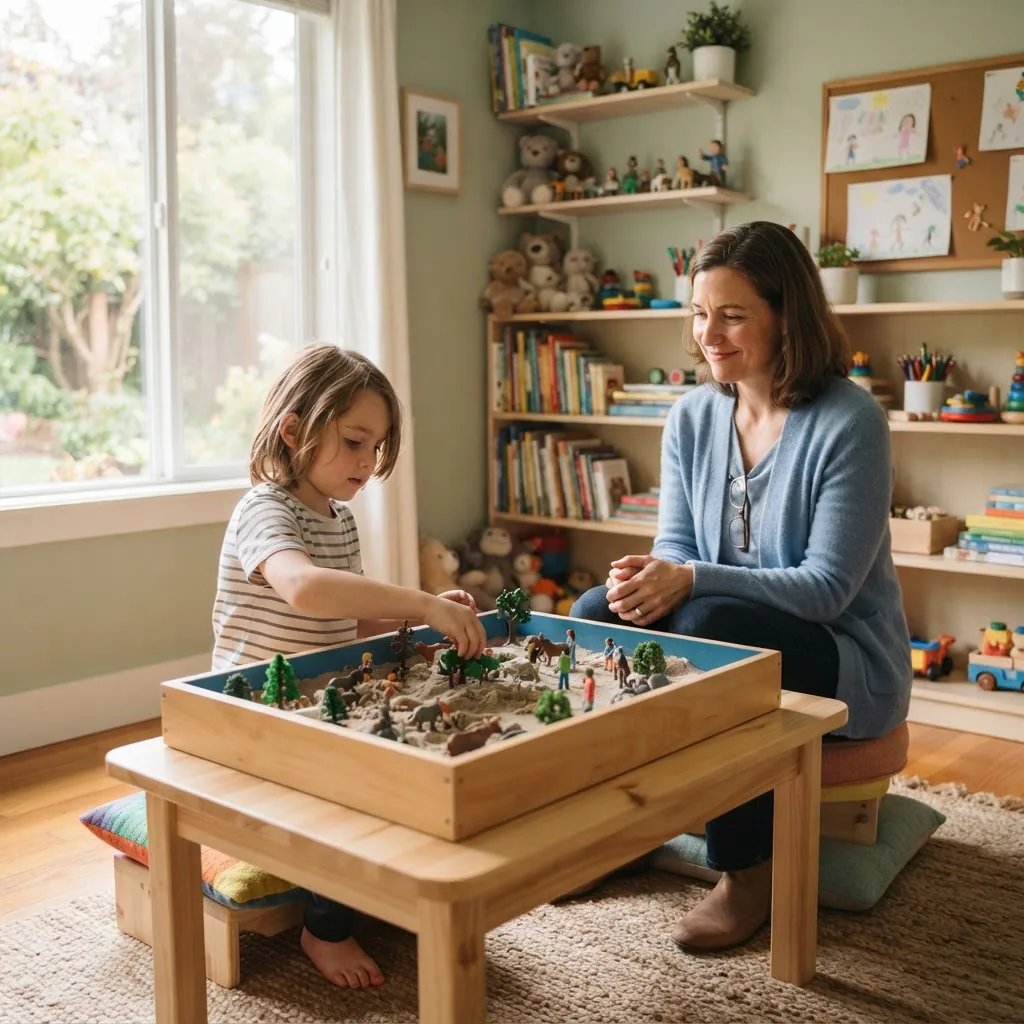
The Role of Play in Child Counseling is pivotal in encouraging young children to express their emotions freely. Unlike adult psychotherapy, therapy for kids is tailored to the ways children think, feel, and communicate at different ages. Play-based assessments, visual tools, and expressive arts invite children to process experiences without relying solely on verbal skills. A 2023 study in the Journal of Clinical Child & Adolescent Psychology reported substantial gains in emotional articulation for children ages 4–9 who engaged in sandtray therapy (University of Washington–affiliated data). Key differentiators include:
- Nonverbal processing through play and art for pre-verbal or less verbal children
- Family systems integration (e.g., Bowen theory) to address patterns at home
- Child-friendly biofeedback and mindfulness for anxiety and emotion regulation
- Collaboration with schools and pediatricians to support whole-child care
These developmentally attuned techniques make therapy accessible and meaningful for children who think, learn, and express differently than adults. Expect assessments and interventions that are interactive, concrete, and often involve caregivers directly.
Which Therapeutic Modalities Show the Highest Efficacy for Childhood Concerns?
When searching for child counseling near me, prioritize approaches with strong evidence bases and specialized pediatric adaptations.
Choosing the right modality often depends on the child’s age, the specific symptoms (e.g., anxiety, trauma, behavioral concerns), and family needs. Many clinicians combine methods to match developmental stage and presenting problems.
1. Play Therapy vs. Traditional Talk Therapy
While cognitive behavioral therapy (CBT) is effective for many adolescents, younger children often benefit more from experiential, attachment-focused methods such as:
- Child-Centered Play Therapy (CCPT) – the Axline method, emphasizing autonomy and emotional expression
- Filial Therapy – a parent-as-co-therapist model that strengthens caregiver–child relationships
- Theraplay® techniques – playful, structured interactions that build attachment and co-regulation (Theraplay)
When evaluating play-based therapists, look for clinicians with training or credentials in Registered Play Therapy (RPT) or other supervised pediatric specialties, and ask how they involve caregivers in treatment.
2. Trauma-Specific Interventions
For trauma-related symptoms, look for clinicians trained in:
- TF-CBT (Trauma-Focused Cognitive Behavioral Therapy) – integrates psychoeducation, coping skills, and gradual exposure (TF-CBT)
- EMDR adaptations for children – uses bilateral stimulation with age-appropriate methods (EMDRIA)
- Neurosequential Model (Bruce Perry) – sequences interventions to match a child’s developmental and neurobiological needs (Neurosequential Network)
For guidance on making an informed decision, check out our resource on how to choose the right child counselor.
How to Identify Quality Child Counseling Services
Evaluate child therapy providers using these clinical benchmarks:
| Credential | Specialization |
|---|---|
| LPC/LCSW/LMFT | RPT (Registered Play Therapist) |
| PhD/PsyD | PCIT (Parent-Child Interaction Therapy) |
- Training and supervision in child-specific modalities (e.g., CCPT, TF-CBT, EMDR)
- Caregiver involvement embedded in the treatment plan
- Outcome tracking and clear goals for behavior and skill changes
- Cultural responsiveness and language access
- Coordination with schools and pediatric providers when appropriate
When contacting potential providers, practical questions help you compare options. Ask about typical session length and frequency for a child your child’s age, whether the clinician uses measurable outcome tools, how caregivers are involved, and how the therapist coordinates with schools or pediatricians. Confirm licensure and whether the clinician carries malpractice insurance. Finally, request a brief phone consultation to assess fit and comfort before beginning services.
Before starting counseling for children, verify licensure through your state board. You can locate boards via the NBCC State Board Directory (for counselors).

What Role Do Parents Play in Therapeutic Progress?
Caregiver participation is one of the strongest predictors of success in therapy for kids. Effective involvement can include:
- Parent management training (e.g., Kazdin method) for consistent, skill-based behavior support
- Dyadic developmental psychotherapy to strengthen attachment and co-regulation
- School collaboration to align home strategies with IEP/504 accommodations
- Home practice of coping skills (e.g., emotion labeling, calm-down plans, routines)
Practical caregiver actions that support progress include setting predictable routines, practicing taught coping skills at home, attending scheduled parent sessions, and maintaining open communication with the therapist. Consistency and modeling of emotion regulation at home reinforce therapeutic gains.

When Should Parents Seek Professional Intervention?
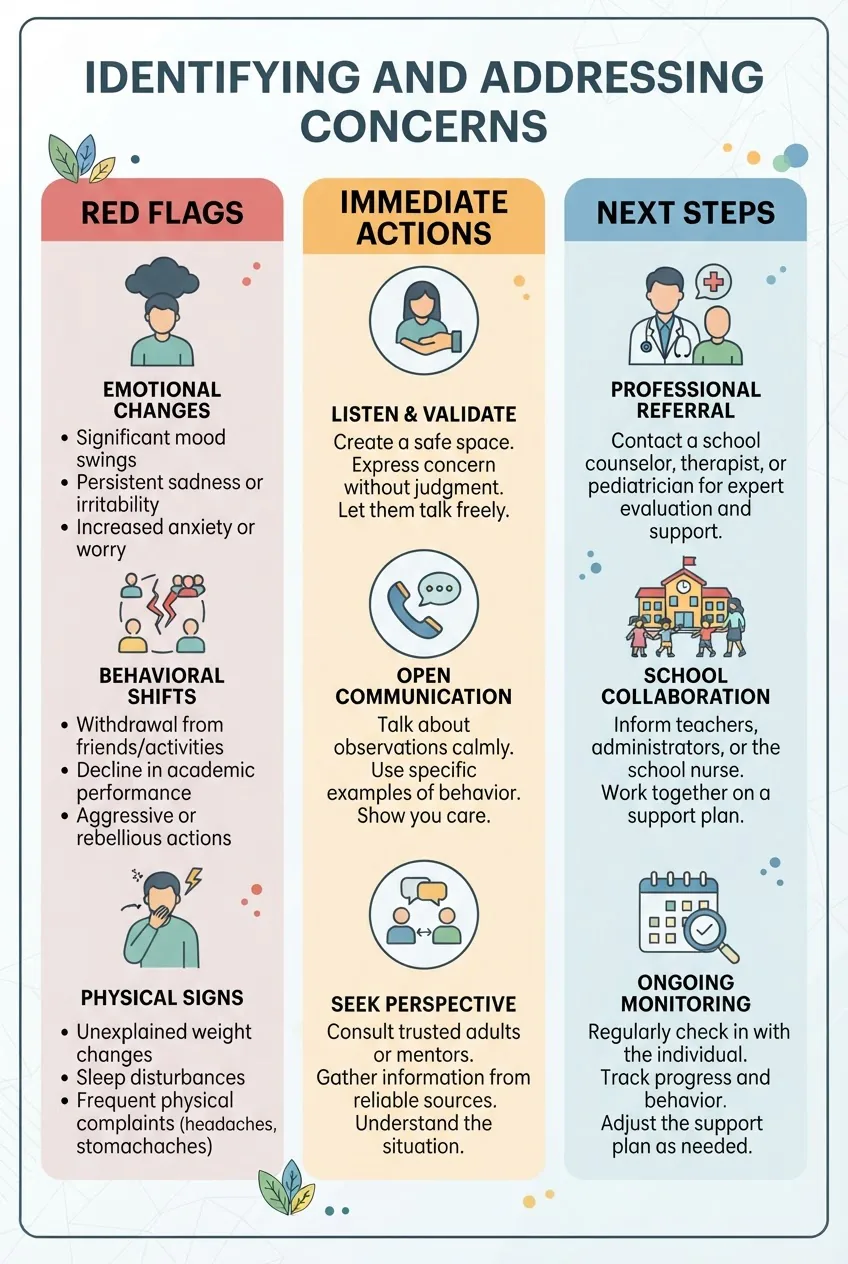
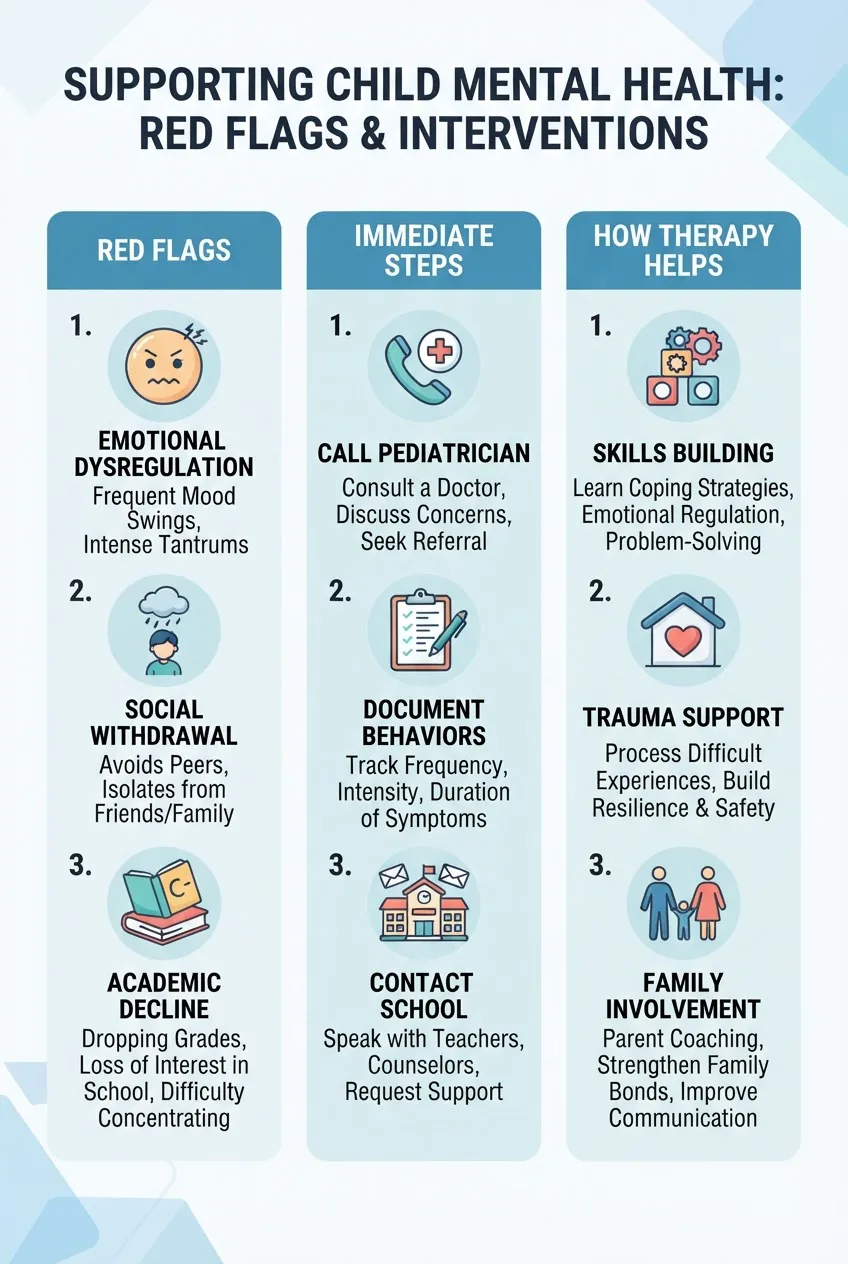
These red flags warrant child counseling and a pediatric evaluation:
- Persistent emotional dysregulation (e.g., intense outbursts) more than 3 times per week
- Social withdrawal lasting more than 2 weeks.
- Significant academic decline (e.g., a drop of 30% or more), frequent school refusal, or behavior changes in class
- Noticeable changes in sleep, appetite, regression in developmental skills, or frequent physical complaints without medical cause
If there are immediate safety concerns, seek emergency support or contact the 988 Suicide & Crisis Lifeline (988lifeline.org) in the U.S.
Initial, non-urgent actions include documenting challenging behaviors or mood changes (dates, frequency, triggers), discussing concerns with your child’s pediatrician to rule out medical causes, and requesting input from teachers or school counselors. If needed, ask your pediatrician for behavioral health referrals or a direct referral to child mental health services.
Frequently Asked Questions
1. What’s the ideal age to begin therapy?
Early intervention matters. The Zero to Three organization supports evaluation and services as early as 18 months for attachment and regulatory concerns, often using the DC:0–5 diagnostic framework.
2. How long until we see improvements?
Timelines vary, but many evidence-based protocols show measurable gains within 12–16 sessions. For context on how skill-building changes the developing brain, see Harvard’s Center on the Developing Child.
3. Does insurance cover services?
Under the Mental Health Parity and Addiction Equity Act (MHPAEA), most U.S. health plans must cover child therapy comparably to medical benefits. Confirm details—such as in-network providers, referrals, and deductibles—directly with your insurer or clinic.
Conclusion: Building Resilient Futures
Counseling for children provides neurodevelopmental scaffolding at critical stages, helping kids learn to regulate emotions, communicate needs, and thrive at home and school. By selecting trauma-informed specialists through child counseling near me searches and actively engaging as caregivers, parents can empower children with lifelong coping strategies.
For additional reading on child therapy and emotional wellness, visit the American Psychological Association and the National Association of School Psychologists.
Next steps: if you’re concerned about your child, start by talking with your pediatrician, request a brief consultation with a potential therapist to assess fit, and involve caregivers and school staff in planning. Early, coordinated action helps children get the right supports sooner and strengthens long-term outcomes.
Advocating for your child—tracking changes, asking for measurable goals, and insisting on family involvement—improves the odds of meaningful progress. Small, consistent actions at home and school often compound into substantial developmental gains over time.
Frequently Asked Questions
1. What’s the ideal age to begin therapy?
Early intervention matters. The Zero to Three organization supports evaluation and services as early as 18 months for attachment and regulatory concerns, often using the DC:0–5 diagnostic framework.
2. How long until we see improvements?
Timelines vary, but many evidence-based protocols show measurable gains within 12–16 sessions. For context on how skill-building changes the developing brain, see Harvard’s Center on the Developing Child.
3. Does insurance cover services?
Under the Mental Health Parity and Addiction Equity Act (MHPAEA), most U.S. health plans must cover child therapy comparably to medical benefits. Confirm details—such as in-network providers, referrals, and deductibles—directly with your insurer or clinic.
Sorry, the comment form is closed at this time.