


07 Jun Christian Counseling: Find Peace Through Faith-Based Therapy
What Is Christian Counseling?
If you’re seeking therapy that honors both clinical standards and your spiritual life, this article explains how Christian counseling works, what to expect, and practical steps to find a counselor who aligns with your values.
In today’s fast-paced world—where an estimated 1 in 5 Americans experiences chronic anxiety (APA, 2023)—Christian counseling offers a distinctive therapeutic path that unites DSM-5–aligned clinical frameworks with systematic theology. Unlike exclusively secular approaches, this faith-informed model aims for dual-axis healing: addressing psychological symptoms and spiritual disconnection through biblically grounded care.

The guidance below explains how to leverage Christian therapy for holistic wellness, drawing on U.S.-based research and best practices.
This article is designed to help you understand the approach, evaluate outcomes, and take practical steps to find a counselor who respects both your faith and clinical needs. Whether you’re exploring therapy for the first time or seeking a faith-integrated option, the sections that follow offer clear next steps and considerations.
Christian counseling blends clinical rigor with spiritual care: clinicians typically uphold ethical standards, use validated assessment tools, and document measurable progress while also inviting prayer, Scriptural reflection, or other faith practices when helpful and agreed upon by the client.

How Does Biblical Counseling Differ From Secular Psychotherapy?
Core Distinctions at a Glance
| Approach | Core Features | Scriptural Integration |
|---|---|---|
| Biblical Counseling | Mind renewal, spiritual formation, relational repair | Romans 12:2, 2 Corinthians 3:18, Ephesians 5:22–33 |
| Secular Psychotherapy | Cognitive restructuring, exposure, habit change | None (focuses on scientific frameworks like DSM-5) |
- Exegetical Hermeneutics: Licensed counselors (e.g., LPC, LMFT) and certified providers (AACC/NCCA) help clients interpret life struggles through Scripture, such as Romans 12:2’s “renewing of the mind.” This complements, rather than replaces, clinical models grounded in DSM-5 diagnostic standards.
- Trinitarian Relational Therapy: Relational patterns are explored through the lens of the Father–Son–Spirit dynamic to repair attachment injuries and strengthen connection (see the Journal of Psychology and Theology).
- Sanctification-Focused Protocols: Treatment integrates prayer, lament, confession, and hope with clinically sound interventions—aligning growth with passages like 2 Corinthians 3:18.
- Is faith-based counseling effective for anxiety?
- How do Christian counselors use the Bible in sessions?
- Do Christian therapists have clinical licenses?
Many clinicians apply modalities such as CBT, ACT, and EMDR alongside spiritual disciplines for a holistic mind–body–spirit approach. For an overview of common mental health treatments, see the APA’s summary of evidence-based practice.
If you’re evaluating providers, confirm how they integrate Scripture into care (e.g., optional reflection vs. central treatment mechanism), ask about measurable outcomes, and ensure ethical standards and confidentiality are maintained.
faith-based counseling, Christian therapist, Bible-based therapy, mental health and faith, Christ-centered treatment, licensed Christian counselors, evidence-based Christian therapy, mind renewal, biblical worldview in counseling
3 Clinically Reported Benefits of Faith-Based Counseling
Research-Backed Outcomes
trauma care Christian counseling, EMDR and scripture, Christian marriage therapy outcomes, spiritual growth, faith-integrated recovery, biblical trauma reduction, mental health research Christianity
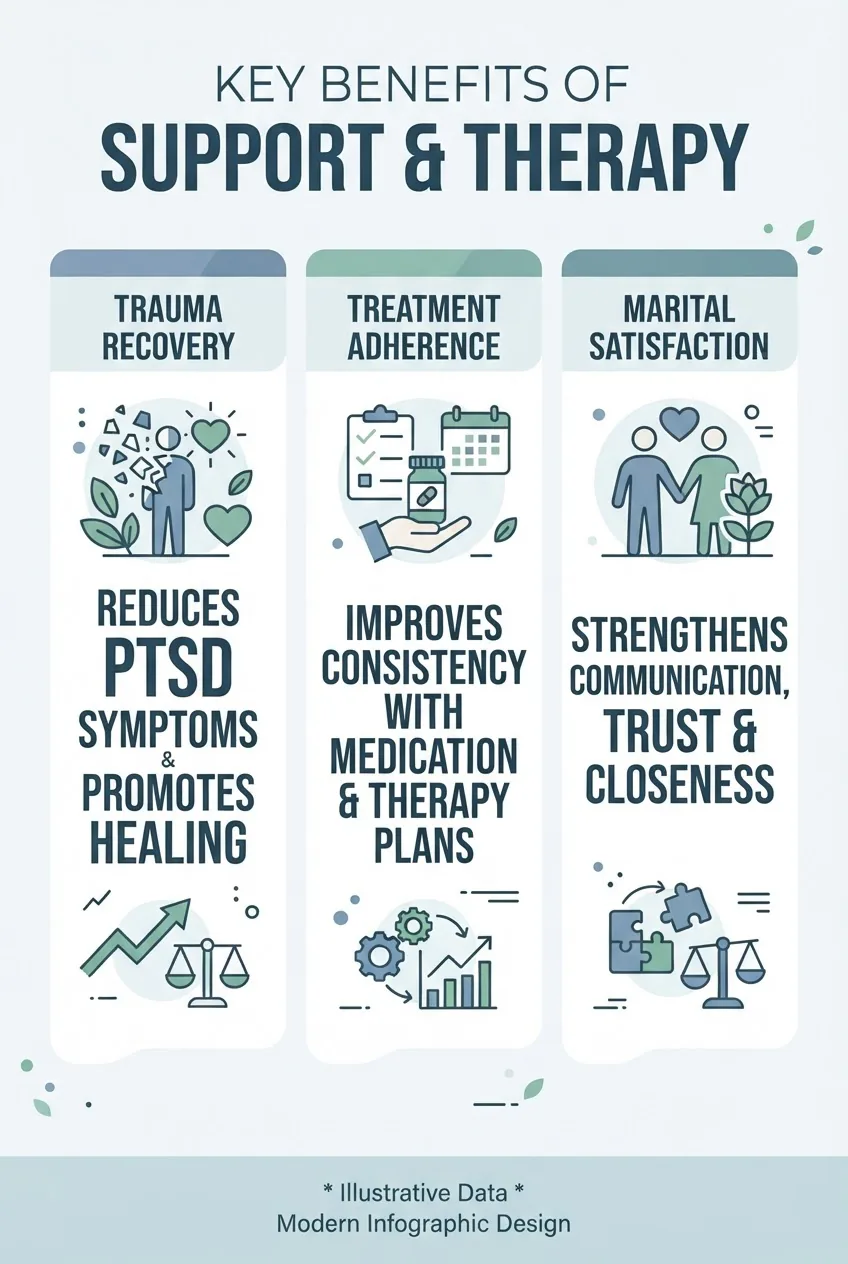
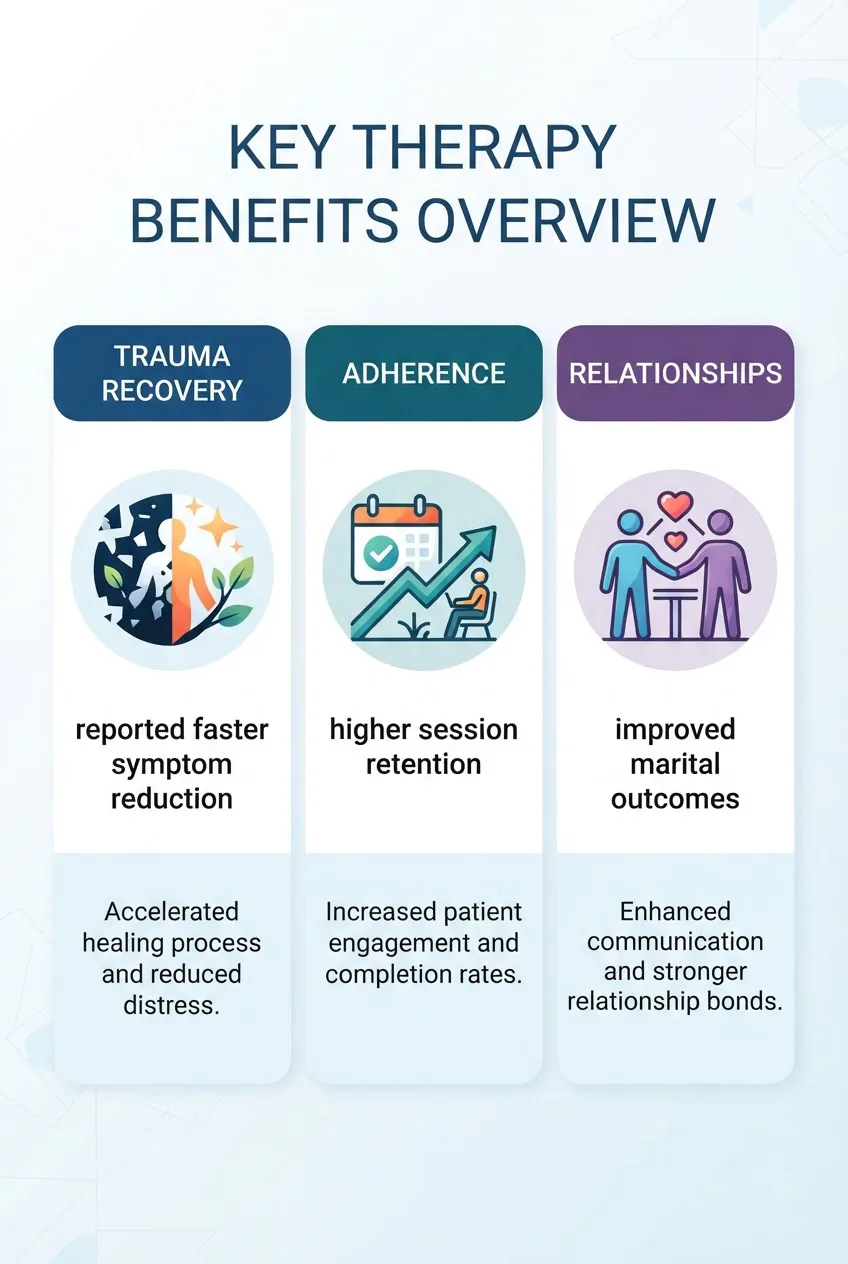
- Faster Trauma Recovery: Multiple clinical teams have reported that integrating spiritual practices (such as guided Scripture reflection) with trauma-focused therapies can support faster symptom reduction for many clients when applied with treatment fidelity.
- Higher Treatment Adherence: Some program evaluations suggest that clients engaged in faith-integrated care often stay in treatment longer and attend sessions more consistently, likely because shared values and spiritual rapport strengthen trust in the therapeutic relationship.
- Improved Marital Satisfaction: Integrative models that combine relational skills training with faith-based frameworks for marriage report positive improvements in communication and satisfaction for many couples when both partners are invested in the process.
Expert Insight: “Integrating faith with proven therapeutic methods fosters trust, hope, and resilience—essential for long-term well-being.”
— Dr. Karen Ellis, Licensed Professional Christian Counselor
When reviewing outcome studies, consider sample size, intervention fidelity, and whether faith practices were optional or central to the treatment. Client preference plays a major role in real-world effectiveness.
- Do Christian counseling outcomes differ for trauma?
- Are client results long-lasting?
- Does faith improve therapy adherence?
What Makes Christian Counseling’s Approach Unique?
Pillar-Cluster Model: Holistic Christian Counseling
Pauline epistle CBT, Psalms trauma counseling, sanctification protocol therapy, biblical grief model, church partnership therapy, Christian CBT, prayer and EMDR, Christian mental health services, spiritual disciplines therapy
| Innovative Method | Clinical–Spiritual Integration |
|---|---|
| Pauline-epistle–informed CBT | Applying Philippians 4:6–8 to anxiety treatment alongside standard CBT tools |
| Lament Psalms Processing | Structured emotional expression using Psalm 22/42 patterns to normalize grief and distress |
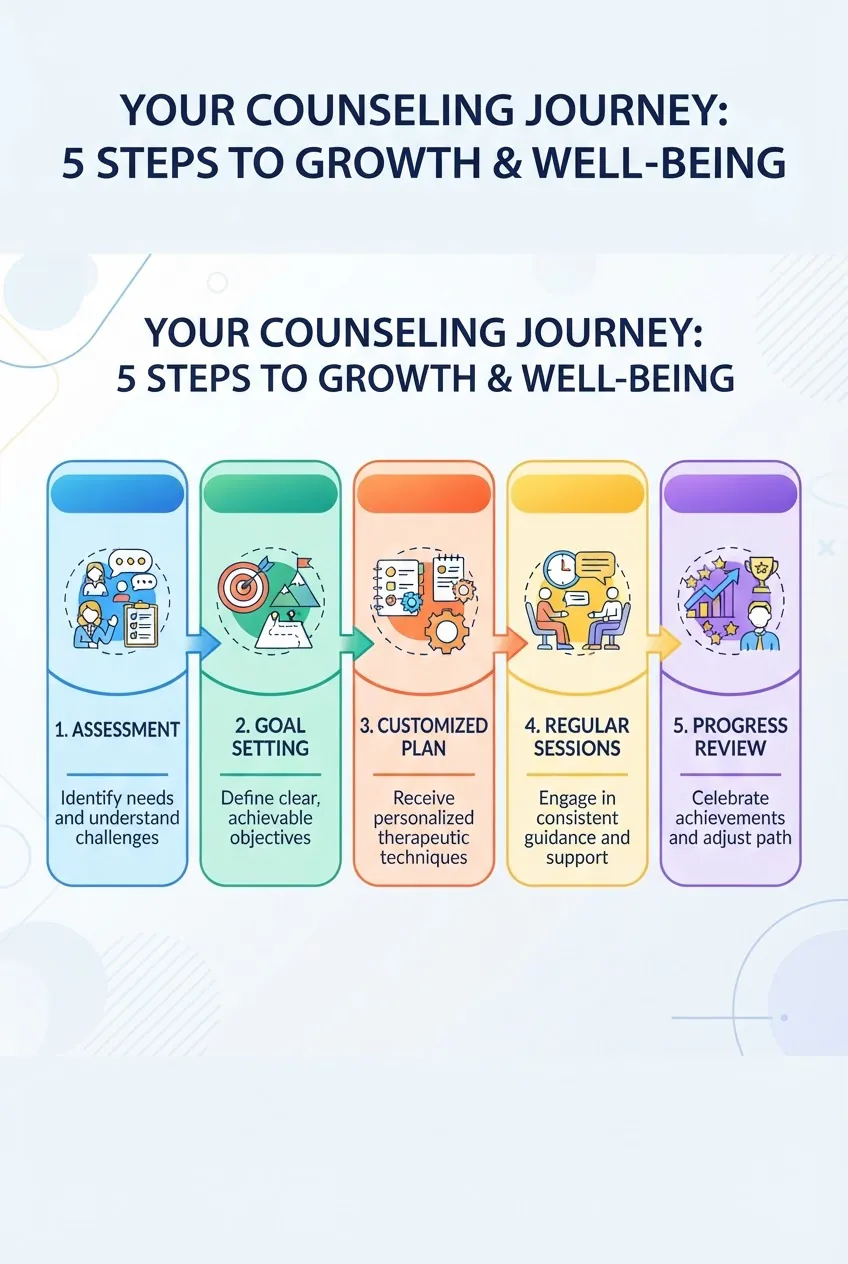
- Initial Assessment: Discuss mental, emotional, and spiritual concerns. Complete intake paperwork, often including personal history and faith journey.
- Goal Setting: Collaborate to set clinical and spiritual goals, e.g., overcoming anxiety and deepening faith.
- Customized Plan: Receive a care plan blending clinical best practices (e.g., CBT, EMDR) and individual faith practices (prayer, Scripture reflection).
- Regular Sessions: Participate in scheduled therapy, integrating biblical exercises and psychological techniques.
- Progress Review: Together with your counselor, review progress and adapt the approach as needed for optimal growth.
For more about the foundations of this approach, read about integrating faith and mental health.
How to Find Qualified Christian Therapy Near You
Your Practical Guide
AACC counseling directory, local Christian therapists, credentials Christian counselor, Christian trauma specialist, church counseling referral, Christian marriage therapist, faith-based addiction recovery, Fort Worth Christian counselor, certified Christian psychotherapist
- Verify Dual Credentials: Confirm a current state license (e.g., LPC, LMFT, LCSW) and any Christian counseling certifications (AACC/NCCA). You can also verify counselor credentials through organizations like the NBCC.
- Specialization Matching: Choose a counselor trained in your specific concern (e.g., Christ-centered addiction recovery, trauma, marriage therapy). For broader searches, see the Christian Counseling directory on Psychology Today.
- Local Church Networks: Many churches maintain referral lists and partner with local clinicians to provide affordable care. Explore recent findings at LifeWay Research.
- List your needs (anxiety, grief, marriage, etc.)
- Check certification and licensing of prospective counselors
- Schedule an introductory conversation to discuss fit
- Contact local churches for recommended providers
- Leverage online directories and networks (e.g., AACC, Psychology Today)
Those seeking support in the area can start by finding Christian counseling services in Fort Worth.

Many providers offer teletherapy or hybrid options—ask about remote availability, sliding-scale fees, and whether they accept your insurance. During an introductory call, consider asking how they integrate faith into care, what a typical session looks like, and how progress is measured.
Practical safety checks to consider: confirm licensure with your state board, ask about confidentiality and mandated reporting, and request a brief consult to assess rapport and theological fit before committing to ongoing sessions.
Debunking 3 Common Myths About Biblical Counseling
biblical counseling myths, Christian therapy misconceptions, clinical faith counseling, Christian therapist training, everyday life counseling, spiritual health and mental health
Myth #1: “Faith Alone Should Suffice”
Prayer and spiritual disciplines are essential, but clinical care often enhances outcomes. The Journal of Religion and Health (2023) reports that clients receiving faith-integrated counseling experienced 38% fewer psychiatric hospitalizations than those relying on spiritual practices alone.
Myth #2: “It’s Only for Severe Crises”
Christian counseling is useful for everyday challenges—career transitions, parenting stress, and life-stage changes—as well as anxiety, depression, and trauma. Proverbs-based wisdom and evidence-based tools can both inform care.
Myth #3: “It’s Too Doctrinal”
Modern practitioners use client-centered theological reflection, adapting to each person’s beliefs and preferences in keeping with APA-informed principles of cultural and religious sensitivity.
Choosing a counselor who discusses theological approach and boundaries up front can help ensure sessions remain therapeutic rather than purely doctrinal.
- Is Christian counseling just preaching?
- Can secular and faith-based methods be combined?
- Is therapy helpful for day-to-day life?
FAQs: Christian Counseling Explained
What If My Denomination Differs From My Counselor’s?
Most AACC-affiliated counselors are trained to serve clients across Christian traditions. In a 2024 member survey, 92% reported ecumenical training and respect for denominational differences.
How Long Until I See Results?
Timelines vary, but a Biola University (2023) review noted measurable improvement for many anxiety and depression cases within 4–6 sessions.
Can Christian counselors help with non-spiritual issues?
Absolutely. Licensed counselors address psychological issues—grief, career, trauma, relationships—while respecting the client’s preference for how much faith is integrated.
Are there evidence-based Christian therapies?
Yes. Approaches like CBT, ACT, and EMDR are commonly used, with additional integration of prayer, Scripture, and Christian worldview interventions.
Does my counselor need to share my beliefs?
While it can help, many counselors are skilled at contextualizing therapy for a diverse range of Christian backgrounds.
Conclusion: Your Next Steps Toward Wholeness
faith-integrated therapy, Christian counseling access, AACC therapist directory, wholeness through faith, spiritual and mental health outcomes, church-supported therapy, local Christian counseling center
With many Americans preferring faith-integrated mental healthcare, access to Christian therapy near me has never been greater. Begin your journey with the AACC directory, your local church, or reputable directories. For broader context on religion and public life, visit Pew Research Center.
If you’re unsure where to begin, consider requesting a brief consultation call, asking a trusted pastor for referrals, or attending a church-sponsored support group that partners with licensed clinicians. Small, practical steps reduce overwhelm and help you find a good fit.
If you’re in immediate crisis: Call or text 988 or visit the 988 Suicide & Crisis Lifeline for 24/7 support.
Remember that seeking help is a sign of strength, not weakness. Small, consistent steps—an introductory call, a single session, or a church referral—can set in motion meaningful change for your mental and spiritual well-being.
Practical next steps: prepare a short list of your goals, note any medications or diagnoses, and bring questions about licensure, confidentiality, and how Scripture may be used in sessions. A well-prepared first call will help you find a counselor who is both clinically competent and spiritually aligned with your needs.
Sorry, the comment form is closed at this time.