


08 Jun Common Issues Addressed in Christian Counseling
- What Is Christian Counseling?
- How Does Christian Counseling Differ From Traditional Psychotherapy?
- Top Clinical–Spiritual Issues Addressed in Christian Counseling
- The Dual-Competency Advantage of Christian Therapists
- 5 Evidence-Backed Benefits of Faith-Based Counseling
- How to Find a Clinically Trained Christian Counselor
- Christian Counseling vs. Secular Alternatives: At a Glance
- Frequently Asked Questions
- Conclusion: The Future of Integrative Christian Therapy
What Is Christian Counseling?
Christian counseling is a distinctive approach to mental health care that combines fundamental Christian beliefs with contemporary clinical psychology. While traditional therapy addresses cognitive and behavioural patterns, Christian counseling infuses these modalities with meaning, identity, and hope rooted in scripture. This holistic technique aims to nurture the “whole person”—body, mind, and spirit.
“People increasingly want treatment that validates both their values and their struggles. Christian counseling uniquely bridges faith and evidence-based care for multidimensional healing.”
– Dr. Emily Harrow, LPC, Integrative Faith Therapist

Recent research shows a rising demand for faith-based therapy, aligning with surveys from trusted organizations that reveal more people seek counseling options that honour their spiritual convictions and mental health together.
- What makes Christian counseling unique?
- Can anyone access Christian counseling, regardless of denomination?
- Does Christian counseling use the same clinical tools as traditional therapy?
While approaches vary by practitioner and denomination, Christian counseling is typically adapted to each client’s theological background and therapeutic needs. This flexibility makes it accessible to people across the faith spectrum who want clinical care that also respects or engages spiritual resources.
How Does Christian Counseling Differ From Traditional Psychotherapy?
While secular therapies—like Cognitive Behavioral Therapy (CBT)—focus on practical problem-solving, Christian counselors employ these tools but ground them in theological insight. Treatment plans are often designed to align with recognized diagnostic manuals while referencing biblical wisdom for hope and transformation.
| Traditional Psychotherapy | Christian Counseling |
|---|---|
| Focuses on cognitive and behavioural patterns | Incorporates cognitive-behavioural methods plus biblical principles |
| Outcomes measured by symptom reduction | Measures outcomes and personal spiritual growth |
| Rooted in secular psychological theories | Rooted in both scientific research and scriptural teachings |
| Therapist is usually neutral regarding faith and spirituality | Therapist integrates faith openly into every session |
Christian counselors often receive dual training, matching clinical best practices with scriptural study—ensuring care that is both evidence-based and spiritually sound.
- Does Christian counseling use medication when necessary?
- How is Scripture applied during therapy?
In practice, the difference often comes down to goals and language: faith-informed clinicians explicitly address spiritual concerns (sin, grace, vocation, community) alongside psychological symptoms. Many clients report that integrating faith themes makes therapy feel more personally relevant and sustainable.
Top Clinical–Spiritual Issues Addressed in Christian Counseling
- Treatment-Resistant Depression: Christian counselors may blend medical support with cognitive renewal and scriptural encouragement, as inspired by Romans 15:13.
- Covenantal Marriage Conflict: Faith-based approaches combine relationship science with biblical principles of sacrificial love and mutual respect (e.g., Ephesians 5:33).
- Trauma and Bereavement: Christian therapy offers trauma-informed support, comforted by scripture like 1 Thessalonians 4:13–14 for enduring hope amid loss.
- Theological OCD (Scrupulosity): Therapists apply exposure-response interventions (ERP), mitigating anxiety in the context of God’s grace (see 2 Corinthians 12:9).
- Substance Use Disorders: Support combines established 12-Step programs with teaching on purpose and sanctification, reminding clients of their identity in Christ.
- Existential Career Transitions: Career uncertainties are addressed through vocational assessments and prayerful reflection on God’s guidance (Jeremiah 29:11).
- Can Christian counseling address anxiety and panic attacks?
- Is biblical counseling suitable for trauma survivors?
Each issue is typically approached with an individualized plan that integrates clinical interventions (medication referrals, CBT, EMDR, DBT, family therapy) and spiritual resources (pastoral collaboration, scripture-centered reflection, faith community support). This combination can create a clearer pathway for long-term healing and meaning-making.
The Dual-Competency Advantage of Christian Therapists
Licensed Christian therapists receive training in both psychological and biblical counseling approaches. Those with backgrounds in both fields—often from organizations or seminaries renowned for theological rigor—excel in several areas:

- Hermeneutical Counseling: Interpreting personal challenges and life events through the lens of the Bible’s story of redemption.
- Trinitarian Relational Therapy: Helping clients cultivate healthy relationships by reflecting on the communal love of the Father, Son, and Holy Spirit.
- Evidence-Informed Prayer Practices: Guiding clients in structured prayers of lament, thanksgiving, and petition for emotional processing.
“The best Christian therapists bring a nuanced understanding of both modern psychology and ancient faith traditions.”
– Rev. Marcus Lane, Clinical Pastoral Counselor
When evaluating clinicians, look for continuing education, supervision in both clinical and theological domains, and a transparent approach to integrating spiritual practices with standard outcome measures. These signs indicate a practitioner committed to ethical, competent, and collaborative care.
5 Evidence-Backed Benefits of Faith-Based Counseling
- Faster Trauma Recovery: Integrating EMDR with Scripture meditation (such as Psalm 34:18) often yields quicker healing, particularly after significant loss or distress.
- Higher Marital Satisfaction: Couples working on spiritual intimacy and emotional vulnerability experience greater stability over time, aligning with Ephesians 4:2–3.
- Reduced Psychiatric Hospitalizations: Clients who include structured prayer and community support see fewer acute mental health crises.
- Increased Purpose and Resilience: Counseling that supports meaning-making through crisis (Romans 8:28) helps enhance life purpose and resilience.
- Lower Relapse Rates: Especially with chronic conditions, faith-integrated care is linked to long-term recovery and reduced risk of returning symptoms.
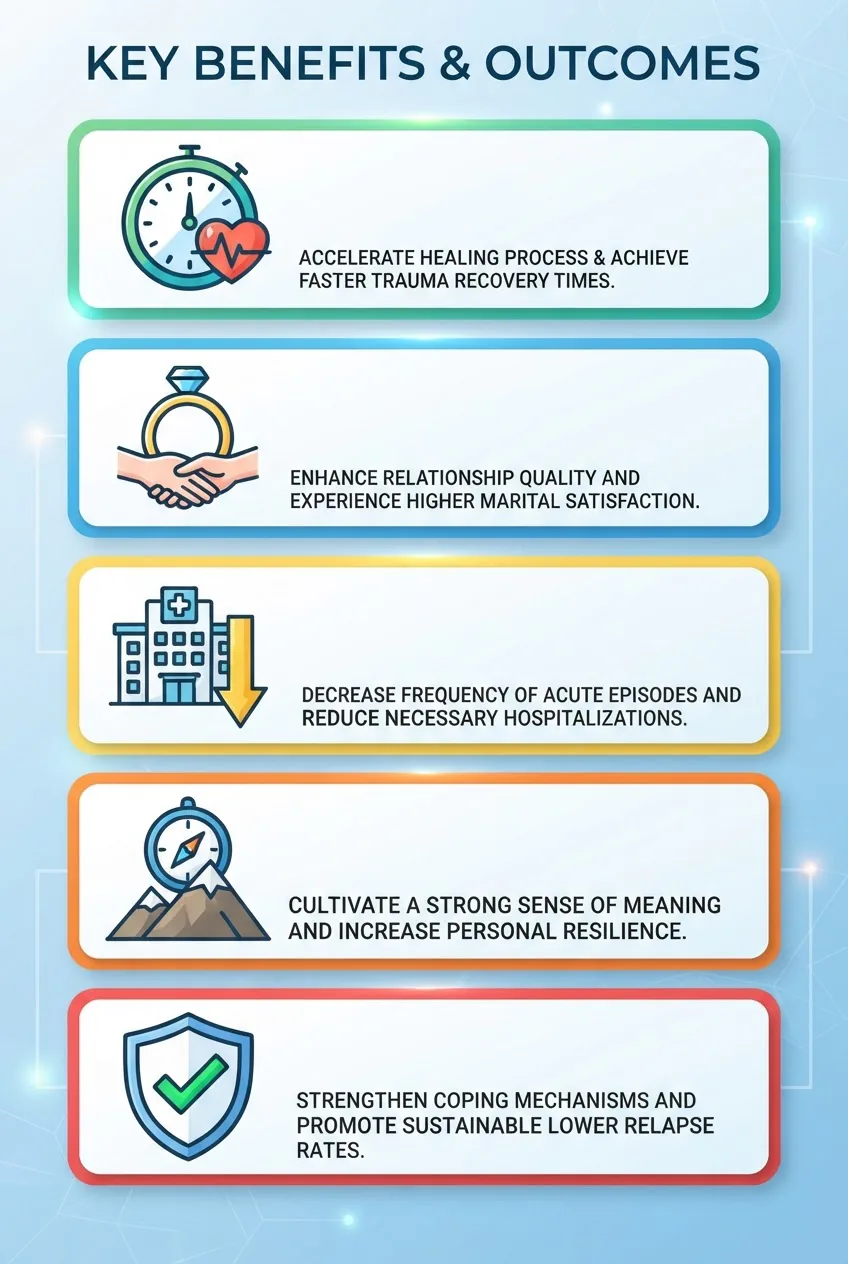
While the strength of evidence varies by condition and intervention, the common thread is that integrating a client’s faith into care often enhances engagement, adherence, and community-based supports that matter for long-term outcomes. Discuss expected benefits and measurement plans with your provider during the intake process.
- Do studies support the effectiveness of Christian counseling?
- Is progress in Christian counseling tracked with symptom scales?
How to Find a Clinically Trained Christian Counselor
When seeking a Christian counselor, look for these credentials and qualities:
- State Licensure + Theological Training: Choose a licensed professional who has completed formal theological coursework, ideally certified by reputable seminaries.
- Specialized Modalities: Review their expertise in evidence-based therapies—like CBT, DBT, or attachment theory—that are thoughtfully adapted for Christian worldviews.
- Routine Use of Validated Assessments: The best practitioners use regular outcome monitoring through symptom and well-being scales, ensuring evidence-based adjustments to your care.
- Tip: Many practitioners list their credentials and theological orientation on directory sites. Don’t hesitate to request an introductory call to explore their approach.
- How do I verify a counselor’s theological background?
- Can I request Christian counseling from my insurance provider?
Additional practical steps: ask about sample treatment plans, how spiritual content is introduced in sessions, confidentiality with clergy referrals, and whether the clinician measures progress with standardized tools you can review periodically.
Christian Counseling vs. Secular Alternatives: At a Glance
| Christian Counseling | Secular Counseling |
|---|---|
| Integrates faith and biblical wisdom with clinical best practices | Relies only on clinical psychological research and practice |
| Treatment includes spiritual formation and meaning-making | Emphasises symptom relief and behaviour modification |
| Sessions may include prayer, scripture, and spiritual reflection | Sessions exclude religious or spiritual elements |
| Community and faith-based support valued | Focuses primarily on individual or family systems support |
Expert Insight: “Christian counseling supports holistic flourishing—not just surviving but thriving in every dimension of life.” – Dr. Lydia Prescott, Faith-Based Therapy Researcher
Ultimately, the best choice depends on therapeutic fit, the clinician’s competence, and whether a faith-integrated approach aligns with the client’s values and goals. Some clients prefer a purely secular model, while others find faith integration essential to healing.
Frequently Asked Questions
How Does Biblical Counseling Address DSM-5 Disorders Differently?
Both Christian and secular counselors treat mental health diagnoses using established clinical modalities. The distinction is Christian counseling also nurtures spiritual growth, meaning, and transformation—often promoting resilience and a reduced risk of relapse for clients who want faith-based support.
Can Non-Christians Benefit From Faith-Based Counseling?
Absolutely. Christian counseling welcomes clients of all backgrounds. Many people find value in values-based interventions such as gratitude exercises, biblical wisdom, and compassion practices, regardless of specific religious beliefs.
Will Christian Counseling Respect My Personal Beliefs?
Yes. Reputable Christian counselors prioritise compassion and respect for each client’s worldview, tailoring sessions to honour your unique values and preferences.
How Do I Know if a Christian Counselor Is Qualified?
Look for verified state licensure and reputable theological training or certification. Most professional directories allow you to filter results by these qualifications for assurance.
Is Christian Counseling Covered by Insurance?
Many licensed Christian therapists accept insurance plans if they have a recognized mental health license. Always check with your provider in advance for details.
Conclusion: The Future of Integrative Christian Therapy
As U.S. demand for faith-integrated therapy continues to rise, Christian counseling stands out for its holistic approach—merging the best of clinical sciences with theological insights. Whether you seek support for trauma, relationships, or purpose, the right therapist can help you honour both your emotional and spiritual well-being. For a directory of dual-competency providers, trusted organizations can help you connect with qualified help tailored to your journey.
Looking ahead, integrative Christian therapy is likely to continue refining methods that are both clinically rigorous and theologically informed—strengthening partnerships between mental health professionals, clergy, and faith communities to improve access, outcomes, and long-term flourishing. If you are considering this path, reach out for an initial consultation to discuss goals, measures of progress, and how faith will be included in your care.
“`
Frequently Asked Questions
How Does Biblical Counseling Address DSM-5 Disorders Differently?
Both Christian and secular counselors treat mental health diagnoses using established clinical modalities. The distinction is Christian counseling also nurtures spiritual growth, meaning, and transformation—often promoting resilience and a reduced risk of relapse for clients who want faith-based support.
Can Non-Christians Benefit From Faith-Based Counseling?
Absolutely. Christian counseling welcomes clients of all backgrounds. Many people find value in values-based interventions such as gratitude exercises, biblical wisdom, and compassion practices, regardless of specific religious beliefs.
Will Christian Counseling Respect My Personal Beliefs?
Yes. Reputable Christian counselors prioritise compassion and respect for each client’s worldview, tailoring sessions to honour your unique values and preferences.
How Do I Know if a Christian Counselor Is Qualified?
Look for verified state licensure and reputable theological training or certification. Most professional directories allow you to filter results by these qualifications for assurance.
Is Christian Counseling Covered by Insurance?
Many licensed Christian therapists accept insurance plans if they have a recognized mental health license. Always check with your provider in advance for details.
Sorry, the comment form is closed at this time.