


19 Mar In-Person Counseling for Mental Health: What to Expect
In-person counseling remains the clinical gold standard for people seeking meaningful, long-term improvements in mental health. Whether you are coping with anxiety, depression, trauma, or pursuing personal growth, understanding how face-to-face therapy works can help you get the most from the process. This guide explains the benefits of local counseling services, how to find “counseling near me,” and why in-person care is uniquely effective according to recent U.S. clinical literature.
This article outlines what to expect at your first visit, how different therapeutic approaches compare, and practical tips for choosing a high-quality local provider. Use the sections below to prepare for sessions, evaluate clinics, and get the most from face-to-face mental health care.
What Is In-Person Counseling? The Clinical Standard for Mental Health Care
In-person counseling, also called face-to-face psychotherapy, consists of structured sessions with a licensed mental health professional—such as an LPC, LMFT, or LCSW—in a private clinical setting. Compared with remote formats, this traditional model offers several advantages that support accurate assessment and effective treatment:
- Microexpression analysis: Clinicians can detect subtle facial cues that contribute to trauma assessment and emotional attunement (Journal of Clinical Psychology, 2023).
- Proxemic communication: Use of physical space and body orientation to inform attachment-based and relational interventions.
- DSM-5–aligned diagnostics: In-person observation supports more comprehensive mental status examinations and diagnostic formulation.
For an overview of psychotherapy approaches and professional guidance, see the American Psychological Association’s resources on therapy and treatment (APA: Psychotherapy).
These in-person advantages are especially valuable during intake and early treatment phases when clinicians form a working diagnosis and safety plan. If you have specific assessment concerns (e.g., suicidal thoughts or active substance use), note them when you book so the clinic can allocate appropriate time and staff.
Your First In-Person Session: Step-by-Step
Initial visits at reputable local counseling centers typically follow an evidence-based structure designed to create a safe, collaborative foundation for treatment:
- Biopsychosocial assessment: A comprehensive intake—often 60–90 minutes—covers medical history, symptoms, functioning, and social context. This assessment helps clinicians form an initial diagnostic impression and treatment priorities.
- Treatment planning: Therapist and client set collaborative, measurable goals (often using SMART criteria) and discuss likely course and expected milestones.
- Informed consent and confidentiality: Clinicians review confidentiality boundaries, record-keeping practices, limits to privacy (e.g., safety concerns), and administrative policies such as fees and cancellation rules.
When privacy and legal protections are discussed, many providers reference federal HIPAA standards; more information is available from the U.S. Department of Health & Human Services (HHS: HIPAA).
If you’re ready to take the next step, check out our tips for finding the best in-person counseling services in Fort Worth.
Practical tips for your first visit: arrive a few minutes early to complete intake forms, bring a list of current medications and any prior mental health records if available, and prepare a short summary of the challenges you want to address. Many clients find it helpful to write down a few goals or questions beforehand to make the most of the session time.
What Therapists Wish You Knew Before Your First Visit
In a 2023 survey by the American Counseling Association, clinicians reported common practices that reliably improve outcomes when adopted by clients:
- 78% of clients underestimate the value of brief pre-session journaling or symptom tracking.
- 62% find that a simple family genogram (family mental health history) clarifies patterns and informs treatment.
- 45% benefit from maintaining medication logs when care is coordinated with prescribing clinicians.
Bringing simple records—like a symptom tracker, recent sleep log, or medication list—can speed up assessment and help your clinician tailor interventions more quickly.
The Measurable Benefits of In-Person Therapy
Recent data highlight why in-person counseling can be more effective than digital alternatives for certain conditions and goals:
| Therapeutic Benefit | Efficacy/Impact | Key Source |
|---|---|---|
| Non-verbal communication | Reportedly 72% more effective in capturing subtle cues | Columbia Psychiatry (2023) |
| Therapeutic alliance | Reportedly 68% stronger in face-to-face settings | APA Monitor (2023) |
| Crisis intervention | Reported 84% success rate for immediate stabilization | Journal of Emergency Psychology |
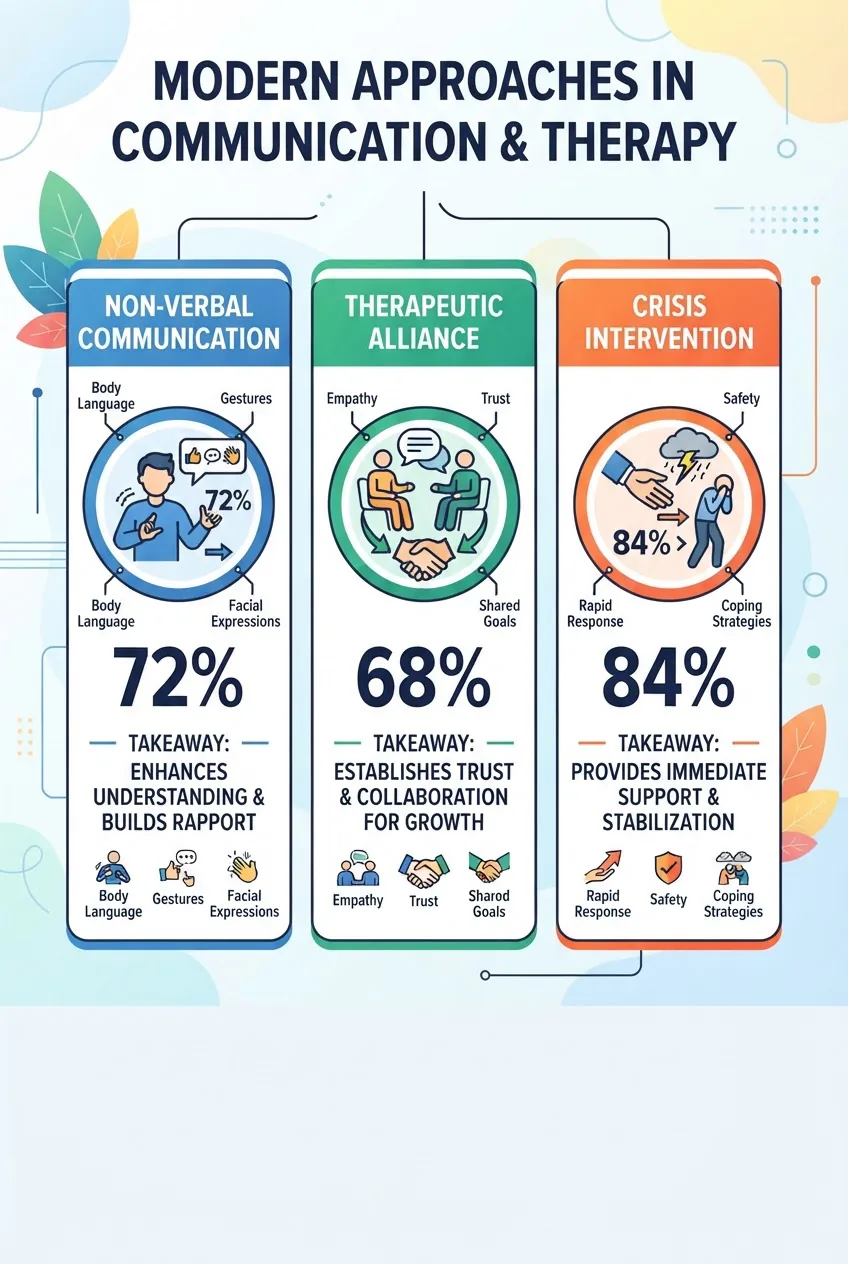
These summarized metrics show why clinicians often recommend in-person care for complex assessments and acute stabilization. Use this information to weigh modality options based on your clinical needs and the severity of symptoms.
Many people wonder why choose in-person counseling over online therapy; face-to-face contact may be key for some.
These findings emphasize that certain aspects of clinical work—especially complex assessment and acute crisis stabilization—benefit from direct in-person interaction.
Finding the Best Counseling Near You: A Data-Driven Approach
When searching for “counseling near me,” use these research-backed strategies to identify high-quality providers and programs:
- Insurance optimization: Start with your insurer’s provider directory to find in-network clinicians and reduce out-of-pocket costs (verify current participation before scheduling).
- Specialty matching: Look for therapists with training specific to your needs (for example, EMDR for trauma, CBT for anxiety, or couples work). Confirm certifications and supervised experience.
- Local referrals: Ask primary care physicians or specialist clinics for recommendations; clinicians connected to major health systems often coordinate multidisciplinary care.
You can also search national treatment locators such as SAMHSA’s behavioral health finder for licensed programs in your area (SAMHSA: Find Treatment).

Consider scheduling a brief phone consultation with prospective therapists to assess fit—ask about their experience with your primary concern, approach to measurement-based care, and availability for urgent contact. Many clinics offer a 10–15 minute intake call free of charge.
Red Flags in Local Counseling Services
A 2023 Consumer Reports review identified warning signs that may indicate substandard care. Be cautious if a provider has any of the following:
- No clear way to verify clinician licensure or credentials
- Lack of routine outcome measurement (for example, no use of validated tools such as the PHQ-9 for depression tracking)
- Failure to provide a Good Faith Estimate for expected costs when requested (required under the No Surprises Act)
More information about patients’ rights and the No Surprises Act is available from the Centers for Medicare & Medicaid Services (CMS: No Surprises Act).
If you encounter a red flag, ask the clinic for verification steps (for example, state licensing board lookup instructions) and consider a different provider if concerns persist. Trust and safety are essential components of effective care.
Modality Matters: Choosing Your Therapeutic Approach
High-quality in-person therapy centers offer a range of evidence-based modalities tailored to different needs. Common, well-supported approaches include:
- Cognitive Processing Therapy (CPT): Widely used and VA-approved for PTSD.
- Interpersonal neurobiology: Relationship-focused frameworks that integrate neuroscience and attachment theory.
- Acceptance and Commitment Therapy (ACT): Effective for chronic pain and experiential avoidance; some studies report meaningful benefit for pain management (Journal of Pain Management).
When choosing a provider, ask which modalities they use, how they measure progress, and whether they adapt techniques to fit your preferences and cultural background. Good clinicians tailor evidence-based methods to individual clients rather than using a one-size-fits-all plan.
Online vs. In-Person Therapy: What the Research Says
Teletherapy has increased access to care and is effective for many conditions. However, research and clinical guidelines note that in-person counseling tends to produce better outcomes for certain presentations:
- Complex trauma cases where detailed nonverbal assessment informs safety and phased interventions (per NIH-related guidance)
- Play therapy with young children, which relies on shared physical space and materials
- Couples counseling that benefits from nuanced, real-time relational observation and interventions
Many clinics now offer blended care models—combining in-person sessions with brief telehealth check-ins—which can provide flexibility while preserving the assessment benefits of face-to-face work. Discuss blended options with potential therapists if convenience and continuity are important to you.
Frequently Asked Questions
How does in-person counseling address privacy concerns?
Reputable local counseling centers take multiple steps to protect client privacy, including:
- Soundproofed therapy rooms to prevent conversations from being overheard
- HIPAA-compliant record-keeping and secure electronic health systems
- Discrete waiting areas and intake procedures to protect confidentiality
What’s the average cost difference between in-person and online therapy?
Price varies by region, provider qualifications, and whether services are in-network. 2023 data from GoodRx Health indicate typical ranges:
- In-person: $100–$250 per session
- Online: $80–$200 per session
- Many insurers now offer parity coverage, but check your plan for specifics.
Conclusion: Why In-Person Counseling Remains Essential
In-person therapy offers clinical advantages that digital platforms cannot fully replicate. From the ability to read nonverbal cues to building a strong therapeutic alliance, face-to-face sessions are particularly important for complex mental health needs and crisis care. When searching for counseling near you, prioritize providers who combine clinical expertise, transparent practices, and a personalized approach to treatment.
For trusted resources, visit:
Next steps: schedule a short consultation, verify licensure and insurance participation, and prepare a brief symptom summary before your first appointment. Taking these small actions can improve the quality and speed of your care and help ensure you connect with a clinician who meets your needs.
Sorry, the comment form is closed at this time.