


02 Jun The Benefits of Adult Counseling for Mental Health
Adult counseling offers structured, evidence-informed support for people navigating stress, transitions, trauma, and relationship challenges. This article explains why counseling matters for adults, what problems it commonly treats, which therapeutic approaches work best, and practical tips for choosing high-quality care.
Table of Contents
- Why Is Counseling Important for Adults?
- Common Challenges Addressed in Adult Counseling
- How Does Adult Counseling Differ from Adolescent or Geriatric Therapy?
- Clinical Benefits: What Does Adult Therapy Improve?
- Top Therapy Modalities for Adults
- Selecting High-Quality Adult Counseling Services
- The Rise of Teletherapy for Adults
- Frequently Asked Questions (FAQs)
- People Also Ask
- U.S. Adult Counseling Resources
- Glossary of Key Terms
Why Is Counseling Important for Adults?
In today’s demanding world, prioritising mental health is crucial. According to the American Psychological Association’s Stress in America report, most U.S. adults face significant distress—manifesting as chronic anxiety, life transitions, or relationship conflicts. Adult counseling provides evidence-based, individualised support tailored to DSM-5 diagnoses and personal life context. Unlike general self-help, therapy offers a collaborative, scientifically grounded process to improve coping skills, enhance self-awareness, and build emotional resilience.
Expert Insight: “Adults managing high stress benefit from professional guidance rooted in current psychological science. Individualised therapy enables sustainable, long-term change.” — Dr. Marian Ellis, Licensed Clinical Psychologist

For an in-depth perspective on the ways counseling supports adults through modern challenges, see our article on Counseling for Adults: Addressing Life’s Challenges.
Common Challenges Addressed in Adult Counseling
Persistent feelings of worry, nervousness, or fear that interfere with daily life, often including Generalised Anxiety Disorder (GAD), panic, and phobias.
- Anxiety: Chronic worry, panic episodes, social anxiety, and adjustment stressors.
- Depression: Persistent low mood, loss of interest, and cognitive changes.
- Grief and Loss: Bereavement, life-adjustment loss (e.g., divorce, job change).
- Stress/Burnout: Work pressure, caregiver fatigue, and role overload.
- Trauma: Acute and complex trauma impacts from past experiences.
- Relationship Issues: Marital/couple conflict, communication breakdown, co-parenting struggles.
- Substance Misuse: Coping with risky behaviours, dependency, or addiction patterns.
Counseling typically involves assessment, collaborative goal-setting, skill-building (such as emotion regulation or communication), and regular progress reviews. This structure helps adults move from symptom management toward sustained, functional improvement in daily life.
For more, explore our full overview of Common Issues Addressed in Adult Counseling.
How Does Adult Counseling Differ from Adolescent or Geriatric Therapy?
| Feature | Adult Therapy | Adolescent Therapy | Geriatric Therapy |
|---|---|---|---|
| Developmental Concerns | Midlife transitions, identity, career, family roles | Identity formation, peer issues, academic stress | Aging, loss, medical conditions, legacy |
| Common Stressors | Work-life balance, relationship strain, parenting, caregiving | Peer pressure, self-esteem, family dynamics | Loss of independence, bereavement, health decline |
| Therapeutic Focus | Values clarification, role strain, existential meaning | Emotional regulation, behavioural activation | Grief counseling, adjustment to new limitations |
- Career-related stressors: Coping with burnout, performance anxiety, and workplace change; Acceptance and Commitment Therapy (ACT) methods.
- Midlife transitions: Support through values clarification and reevaluation; Existential therapy for self-identity and purpose management.
- Sandwich generation pressures: Building boundaries while caring for both children and ageing parents.
Clinical Benefits: What Does Adult Therapy Improve?
A process in Cognitive Behavioural Therapy (CBT) that helps clients become aware of inaccurate or negative thinking and reshape it into more balanced, realistic thoughts.
Modern adult therapy contributes to measurable improvements across multiple life areas. According to a 2024 NIMH longitudinal review, clinically significant gains reported include:
| Benefit | Mechanism | Efficacy Rate |
|---|---|---|
| Emotional regulation | DBT (Dialectical Behaviour Therapy) distress tolerance training | 78% improvement |
| Relational functioning | Attachment-based interventions | 65% enhancement |
| Cognitive restructuring | CBT thought records | 82% effectiveness |
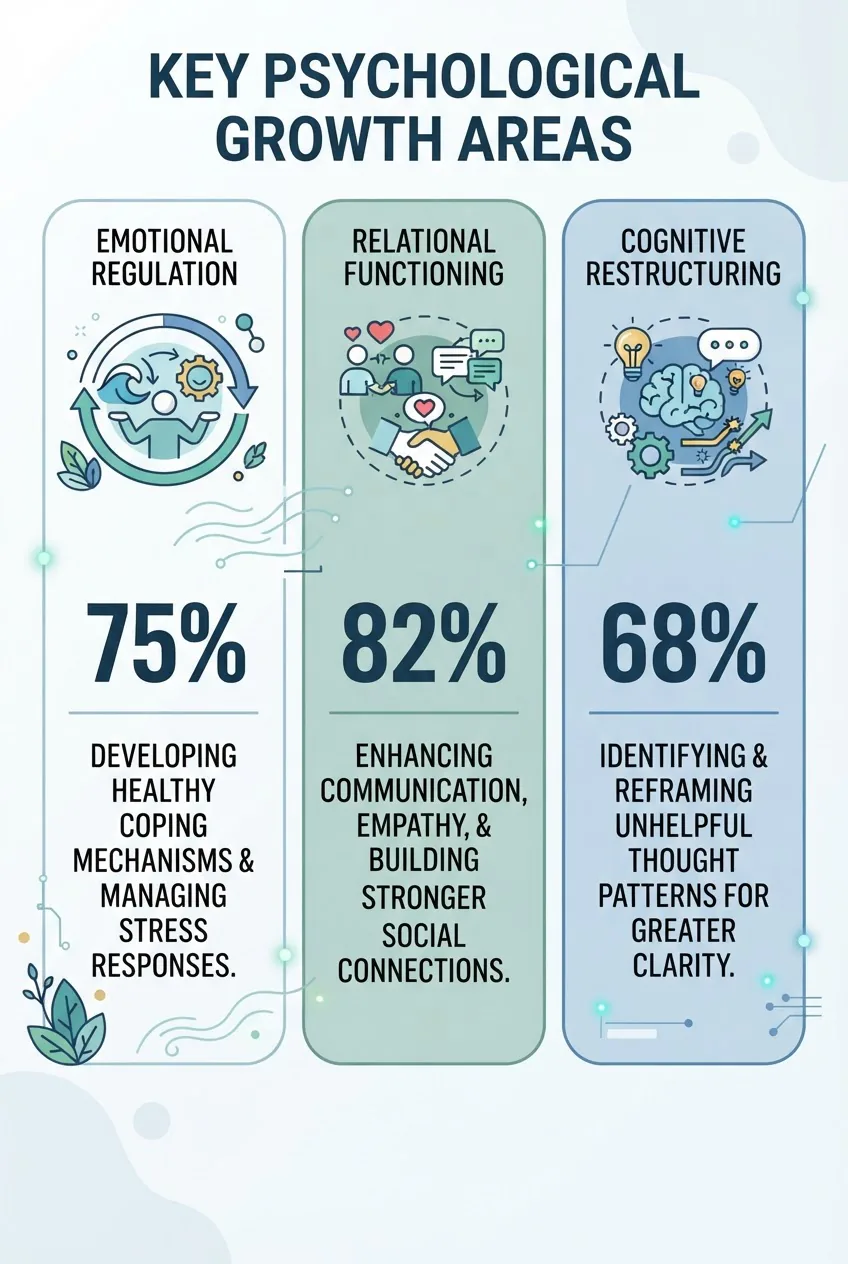
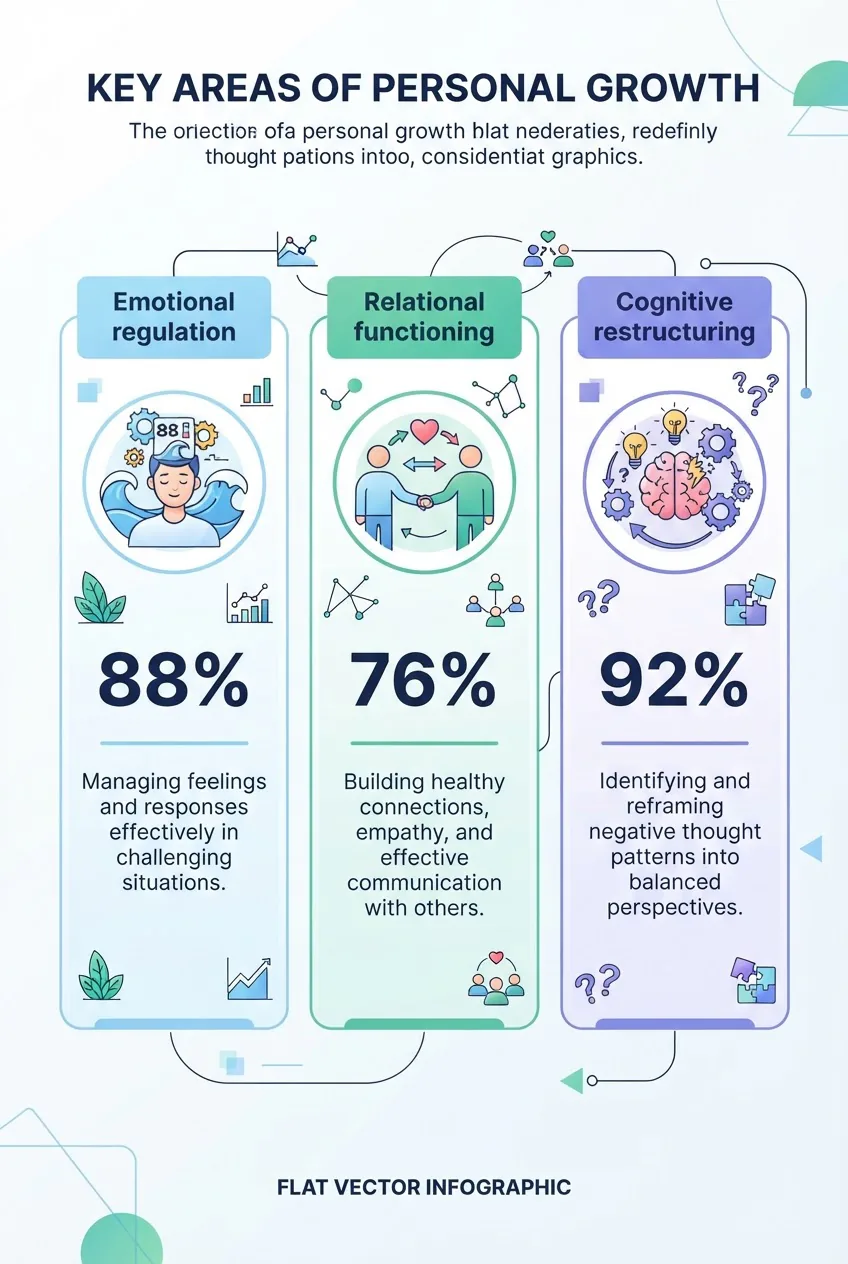
Results vary with diagnosis, fit, and attendance. Learn more about psychotherapeutic mechanisms at the National Institute of Mental Health overview [NIMH].
Top Therapy Modalities for Adults

1. Phase-Based Trauma Treatment
- Psychoeducation: Understanding trauma’s impact on the mind and nervous system.
- Narrative processing: Structured retelling/processing through talk, expressive arts, or somatic techniques.
- Reintegration planning: Prevention of relapse, daily coping, and healthy reintegration into life roles.
Phase-based models are especially useful for complex trauma because they prioritise safety and stabilization before intensive processing, reducing the risk of retraumatisation.
2. Executive Function Coaching (EFC)
- Enhances planning and goal-setting for adults with ADHD or executive dysfunction.
- Uses tailored practice, environmental design, and behaviour change strategies.
EFC frequently complements psychotherapy by translating therapeutic insight into sustainable routines and real-world functioning improvements.
3. Other Evidence-Based Therapies
- Cognitive Behavioural Therapy (CBT): Targets thought, feeling, and behaviour cycles.
- Eye Movement Desensitisation and Reprocessing (EMDR): Used for trauma and post-traumatic stress.
- Interpersonal Psychotherapy (IPT): Focuses on relationships and social skills.
- Prolonged Exposure (PE): Gradual exposure for trauma processing [VA/NCPTSD].
Selecting High-Quality Adult Counseling Services
The degree to which therapy is delivered as intended according to established protocols or manuals.
- Licensing & Credentials: Confirm practitioner is an LPC, LCSW, LMFT, or psychologist in your state (check licensing board or trusted directories).
- Treatment Model: Look for manualised, evidence-backed approaches supported by research (e.g., PE for PTSD, CBT for mood disorders).
- Progress Monitoring: Ask if the practice tracks improvement with standardised tools (PHQ-9, GAD-7, etc.).
- Culturally Responsive Care: Choose providers who adapt interventions with multicultural competence and inclusion [APA Guidelines].
Consider an initial intake or consultation to assess fit, ask about expected course of treatment, and clarify fees, cancellation policies, and telehealth rules. Red flags include vague treatment plans, reluctance to discuss credentials, or pressure to stop other medical care.
The Rise of Teletherapy for Adults
Teletherapy—remote counseling via secure video or phone—has gained remarkable traction post-2020, offering results on par with many in-person treatments for mood and anxiety disorders. Advantages include reduced commute time, greater accessibility (including for those in rural or underserved areas), and flexible session scheduling.

Coverage and Support
- Government coverage through CMS Telehealth and HHS Telehealth resources.
- Practice standards and outcome research—resources available at the American Telemedicine Association.
When using teletherapy, confirm the platform is secure and that the provider follows applicable privacy laws and licensure rules (especially for interstate care). Many practices offer hybrid models that combine in-person and virtual sessions to increase flexibility.
Expert Insight: “Virtual therapy removes many common roadblocks to care—especially for adults balancing work and family.” — Dr. Pierre Nagle, Clinical Director
Frequently Asked Questions (FAQs) About Modern Adult Counseling
1. What distinguishes high-performing adult therapy programs?
Leading programs employ measurement-based care, routine progress tracking, and use transdiagnostic strategies to address comorbid issues efficiently. They often apply collaborative care by integrating mental and physical health.
2. How long does it take to see results from adult counseling?
It depends on the complexity of concerns and attendance. For acute issues, noticeable change often occurs in 6–8 sessions; complex trauma may require several months. Many adults observe early benefits within 4–6 sessions.
3. Does insurance cover adult therapy?
Most ACA-compliant health plans include mental health coverage, but specifics vary. Check your insurer’s network, deductibles, and any session limitations. Review your plan’s benefits for details.
4. How do I know if a counselor is a good fit?
Look for transparent credentials, experience with your concerns, evidence-based approaches, and a communication style you find trustworthy and supportive. Initial consultations are useful for assessing fit.
5. What if I’m not comfortable with in-person sessions?
Teletherapy or hybrid models can offer the same standards of care with added flexibility and privacy. Discuss your preferences with your provider before starting therapy.
People Also Ask
The best therapy type depends on your needs—CBT is widely recommended for anxiety/depression, trauma therapies for PTSD, and EFC for executive dysfunction. Discuss goals with your therapist to select the right fit.
Yes. Even adults without a mental health diagnosis can gain skills for managing stress, improving communication, and building resilience through counseling.
All therapy sessions are confidential within legal limits. Your information is protected by professional guidelines and law, except in safety-related exceptions.
U.S. Adult Counseling Resources
Glossary of Key Terms
- Evidence-Based Therapy: Interventions supported by systematic research and clinical guidelines for effectiveness.
- DSM-5: Diagnostic and Statistical Manual of Mental Disorders, 5th Edition – the standard for diagnosing mental health conditions in the U.S.
- Measurement-Based Care: Use of standardised tools (like PHQ-9, GAD-7) to track client progress over time.
- Transdiagnostic: Concerned with treating issues that cut across traditional diagnostic categories (e.g., anxiety and depression together).
- Manualised Protocol: Therapy that follows a set, evidence-backed structure to optimise fidelity and results.
Conclusion: Making the Most of Adult Counseling
Adult counseling offers practical, evidence-based pathways to reduce distress, improve relationships, and enhance daily functioning. Whether you seek short-term skills training or longer-term psychotherapy, informed selection of modalities and providers increases the likelihood of meaningful, lasting change. If you or a loved one are struggling, consider reaching out for an initial consultation to discuss goals, expectations, and next steps toward better mental health.
If you or someone is in immediate danger, contact emergency services or the 988 Suicide & Crisis Lifeline. For routine concerns, an intake call or brief consultation can clarify whether a specific therapist, modality, or program is the best next step.
Sorry, the comment form is closed at this time.