


27 Mar Virtual Counseling: The Future of Therapy Online Today
In today’s fast-paced world, mental health awareness has become a central focus, driving a growing demand for accessible therapeutic options. Virtual counseling has emerged as a transformative solution, enabling individuals to seek professional help from the comfort and privacy of their own homes. This article explores the fundamentals of online counseling, its numerous benefits, and the ways it is shaping the future of teletherapy. As technology continues to evolve, online therapy is no longer just a trend—it has become a vital resource for many.
Whether you’re seeking support for anxiety, relationship issues, depression, or life transitions, virtual counseling removes many practical and emotional barriers to care. This article explains how to find a licensed U.S. provider, what to expect from different session formats, and practical tips to prepare for effective teletherapy.
What Is Virtual Counseling? Exploring the Digital Therapeutic Revolution
Virtual counseling, also referred to as online counseling or teletherapy, involves providing mental health services through internet-based platforms. Therapy sessions may occur via HIPAA-compliant video calls, encrypted phone conversations, or secure text messaging. This approach allows U.S.-licensed mental health professionals—such as Licensed Professional Counselors (LPCs) and Licensed Marriage and Family Therapists (LMFTs)—to connect with clients regardless of their geographic location, significantly expanding access beyond traditional in-office therapy.
Licensed clinicians who provide teletherapy are held to the same professional and ethical standards as in-person providers, including confidentiality, informed consent, and crisis planning. If you have concerns about emergency care or cross-state licensure, ask a prospective therapist about their protocols before beginning treatment.
The Rise of Online Therapy: A Post-Pandemic Paradigm Shift
The COVID-19 pandemic accelerated the adoption of teletherapy across the United States. Lockdowns and social distancing measures created significant barriers to in-person therapy, encouraging both therapists and clients to embrace digital alternatives. According to a 2022 study by the American Psychological Association, 76% of U.S. psychologists now offer virtual counseling, with 70% reporting that its effectiveness is comparable to that of face-to-face sessions (Journal of Clinical Psychology, 2023).
Key Benefits of Virtual Counseling: Accessibility Meets Innovation

Modern online counseling platforms provide advantages that traditional therapy often cannot match:
- Geographic Accessibility: Online therapy bridges the gap for rural populations and individuals with mobility limitations, making mental health support more attainable.
- Flexible Scheduling: Sessions can be scheduled during evenings and weekends, accommodating the busy lifestyles common in the U.S.
- Therapeutic Comfort: Approximately 68% of clients report feeling more open and comfortable when participating in therapy from their own homes (U.S. Journal of Telemedicine, 2023).
- Modality Options: Clients can choose the communication style that best suits them—whether video, phone, or asynchronous messaging.
Many modern platforms also include accessibility features—such as closed captioning, language interpretation, and interfaces compatible with screen readers—that make teletherapy more inclusive for clients with diverse needs. When comparing services, look for these features alongside clinician specialization and scheduling flexibility.
How Teletherapy Works: A Step-by-Step Guide for U.S. Clients
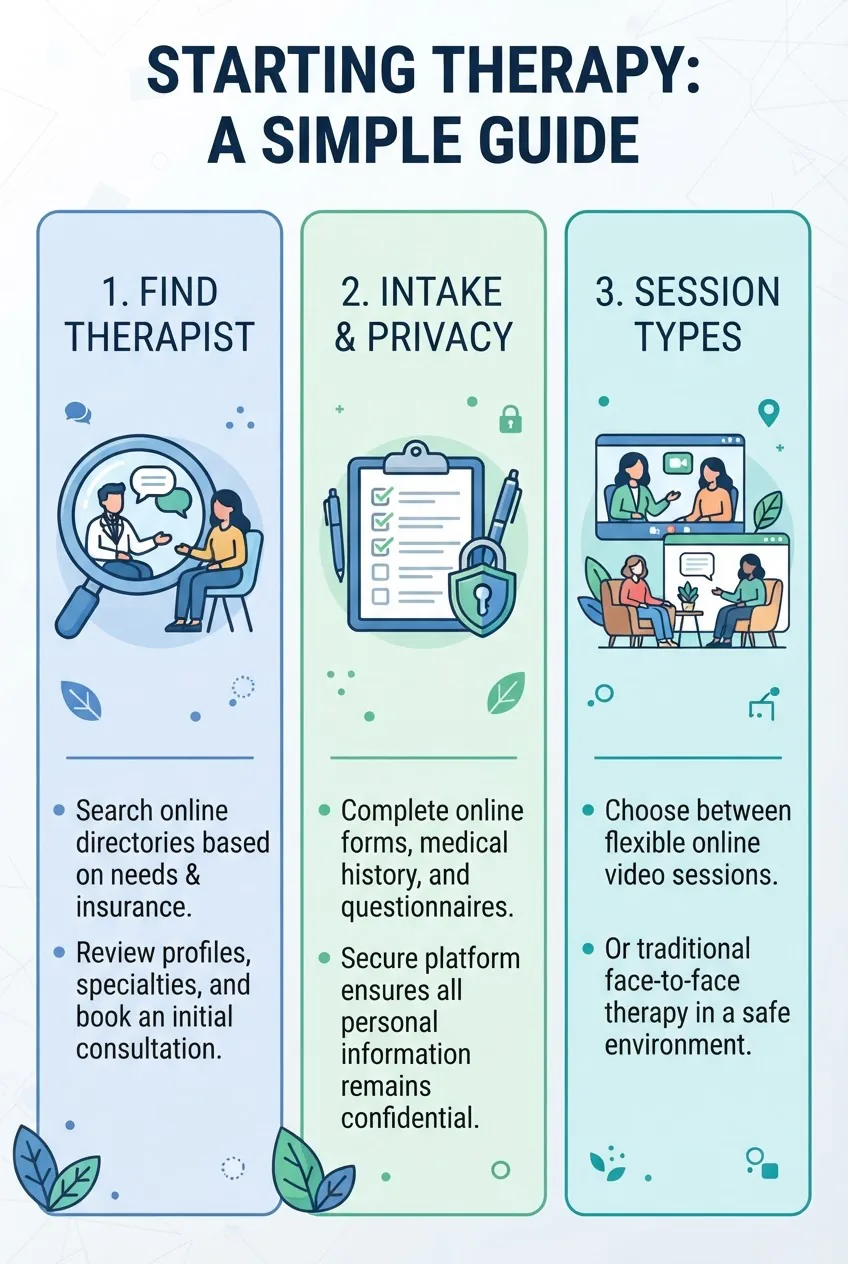
Engaging in virtual counseling typically follows a straightforward process:
- Select a licensed therapist who specializes in your area of concern, such as anxiety disorders or marital issues.
- Complete digital intake forms through HIPAA-secure portals to ensure privacy and confidentiality.
- Attend sessions via encrypted platforms, such as Doxy.me or TheraNest, which are designed to protect client information.
For a deep dive into How virtual counseling works, explore our thorough breakdown of the process, available platforms, and client suitability.
Unlike traditional therapy, online counseling often allows clients to connect with specialists across state lines, where permitted by interstate licensure compacts, greatly expanding access to the right provider.
Challenges in Virtual Counseling: Navigating the Digital Therapeutic Space
While teletherapy offers numerous benefits, it also presents certain challenges:
- Technological Barriers: Approximately 22% of U.S. adults lack reliable broadband access, which can limit the ability to participate in virtual counseling (Pew Research Center, 2023).
- Privacy Protocols: Ensuring all platforms used are HIPAA-compliant is critical for maintaining confidentiality in online therapy sessions.
- Therapeutic Alliance: Building rapport may require additional effort and time in virtual settings, as non-verbal cues can be harder to interpret through a screen.
To address these challenges, try simple mitigations: test your internet and device before sessions, use headphones for privacy, choose a quiet, well-lit space, and confirm the platform’s HIPAA compliance. If broadband is limited, phone sessions can be an effective alternative; discuss options with your therapist in advance.
The Future of Therapy: Emerging Technologies in Mental Healthcare
The field of virtual counseling is rapidly evolving with innovative technologies:
- VR Exposure Therapy: Studies from Johns Hopkins demonstrate a 72% success rate in treating PTSD using virtual reality environments.
- AI-Assisted Progress Tracking: Machine learning algorithms analyze session transcripts to provide therapists with actionable treatment insights.
- Digital Phenotyping: Mobile applications collect real-time data on mood and behavior, enhancing personalized teletherapy interventions.
Alongside new tools, ethical concerns such as data privacy, algorithmic bias, and informed consent for AI-assisted tools are receiving growing attention. Clinicians and platforms must prioritize secure data practices and transparent explanations of how client data is used.
Conclusion: Virtual Counseling as a Mainstay of Modern Mental Healthcare
Virtual counseling represents a significant paradigm shift in how mental health services are delivered, particularly within the U.S. healthcare system. By combining the flexibility and accessibility of online platforms with rigorous clinical standards, teletherapy is redefining effective mental healthcare in the digital age, ensuring broader reach and tailored support for diverse populations. Many ask, is virtual counseling as effective as in-person therapy? We address this question in detail in our comprehensive review.
If you’re considering virtual counseling, start by verifying credentials, reviewing platform security and privacy policies, and scheduling an initial consultation to see if the therapist’s style fits your needs. For more on effectiveness, read our detailed comparison: is virtual counseling as effective as in-person therapy?
FAQs About Virtual Counseling in the United States
- Is online counseling covered by insurance?
Many U.S. insurers now reimburse teletherapy services, thanks to parity laws that require coverage equivalent to in-person therapy. - How do I verify a therapist’s credentials?
You can check state licensing boards or use resources such as the APA Psychologist Locator to confirm qualifications. - Can I use FSA/HSA funds for virtual counseling?
Yes, most online therapy services qualify as eligible medical expenses under Flexible Spending Accounts (FSA) and Health Savings Accounts (HSA). - What should I do in a crisis?
Virtual counseling is not a substitute for emergency services. If you are in immediate danger or experiencing a medical emergency, call 911 or your local emergency number. Ask your therapist about crisis plans and local emergency resources during intake.
U.S.-Specific References for Further Reading
- American Psychological Association: Telemental Health in the U.S.
- NIMH: Efficacy of Teletherapy for Depression
- Psychology Today: The American Teletherapy Revolution
Sorry, the comment form is closed at this time.